
Rural Health Camp – Maskal Village, Chitradurga District
Location: Primary Health Center, Maskal Village
Taluk: Hiriyur
District: Chitradurga
Distance from Bengaluru: ~200 km
For many years, GT Foundation has been actively engaged in rural healthcare initiatives, conducting periodic health camps in remote and underserved regions. These camps are designed to bring basic and preventive healthcare closer to communities where access to doctors and diagnostic facilities is limited.
One such meaningful initiative was the Health Camp conducted at the Primary Health Center (PHC), Maskal Village, in Chitradurga district.
Journey with Commitment
Beyond their professional duties and personal responsibilities, a dedicated team of doctors and volunteers sacrificed their weekend and family time to serve the rural community. After completing their regular work schedules on Saturday, the team travelled nearly 200 kilometers from Bengaluru, starting late in the evening and reaching Hiriyur around 3:00 a.m.
With limited accommodation—just two rooms for 12 people—the team adjusted comfortably, rested briefly, and began the day early. A short walk in the calm rural surroundings offered a refreshing start before the day’s service.
The health camp venue, Maskal PHC, was located about 30 kilometers from the guesthouse, requiring an early departure to ensure timely setup and smooth handling of the expected crowd. To boost team spirit and visibility, GT Foundation arranged uniform T-shirts for the doctors, reinforcing a sense of unity and shared purpose.
Strong Local Support
We are deeply grateful to Dr. Sreenivas, the Government-appointed doctor at Maskal PHC, who extended full cooperation and support. He ensured all arrangements were in place and coordinated the presence of:
- PHC nurses
- ASHA workers (Accredited Social Health Activists)
- Local health volunteers
Their involvement played a crucial role in the success of the camp.
Camp Execution & Community Response
The team divided responsibilities and began consultations across multiple stations. The response from the community was overwhelming. More than 400 people from Maskal and nearby villages attended the camp.
Services provided included:
- General medical consultation
- Blood sugar testing
- ECG screening
- Basic diagnostics and clinical evaluation
We screened a total of 412 patients, the majority being elderly and economically disadvantaged individuals.
Key Medical Observations
- Fluorosis, caused by contaminated groundwater, was highly prevalent, resulting in joint pain and mobility issues—especially among the elderly
- Anemia was identified in 28% of the patients
- Diabetes was newly diagnosed in 12 individuals
- Among 26 known diabetes patients, most had poor glycaemic control
- Rheumatic Heart Disease was clinically suspected in two patients and later confirmed through coordination with a nearby hospital
This collaboration with a local hospital and diagnostic centre, offering services at discounted rates, reflects an improved and sustainable approach to follow-up care.
Our physiotherapist conducted hands-on sessions, teaching exercises for:
- Osteoarthritis of the knee
- Frozen shoulder
We also discussed with Dr. Sreenivas the importance of maintaining a registry of patients requiring specialist care, to ensure continuity of treatment in future camps.
One limitation we identified was the absence of an eye specialist, highlighted by elderly patients. We have taken note of this and committed to including ophthalmology services in our upcoming quarterly camps.
A Moment That Touched Us Deeply
One incident during the camp truly underscored the harsh reality of healthcare access in rural India.
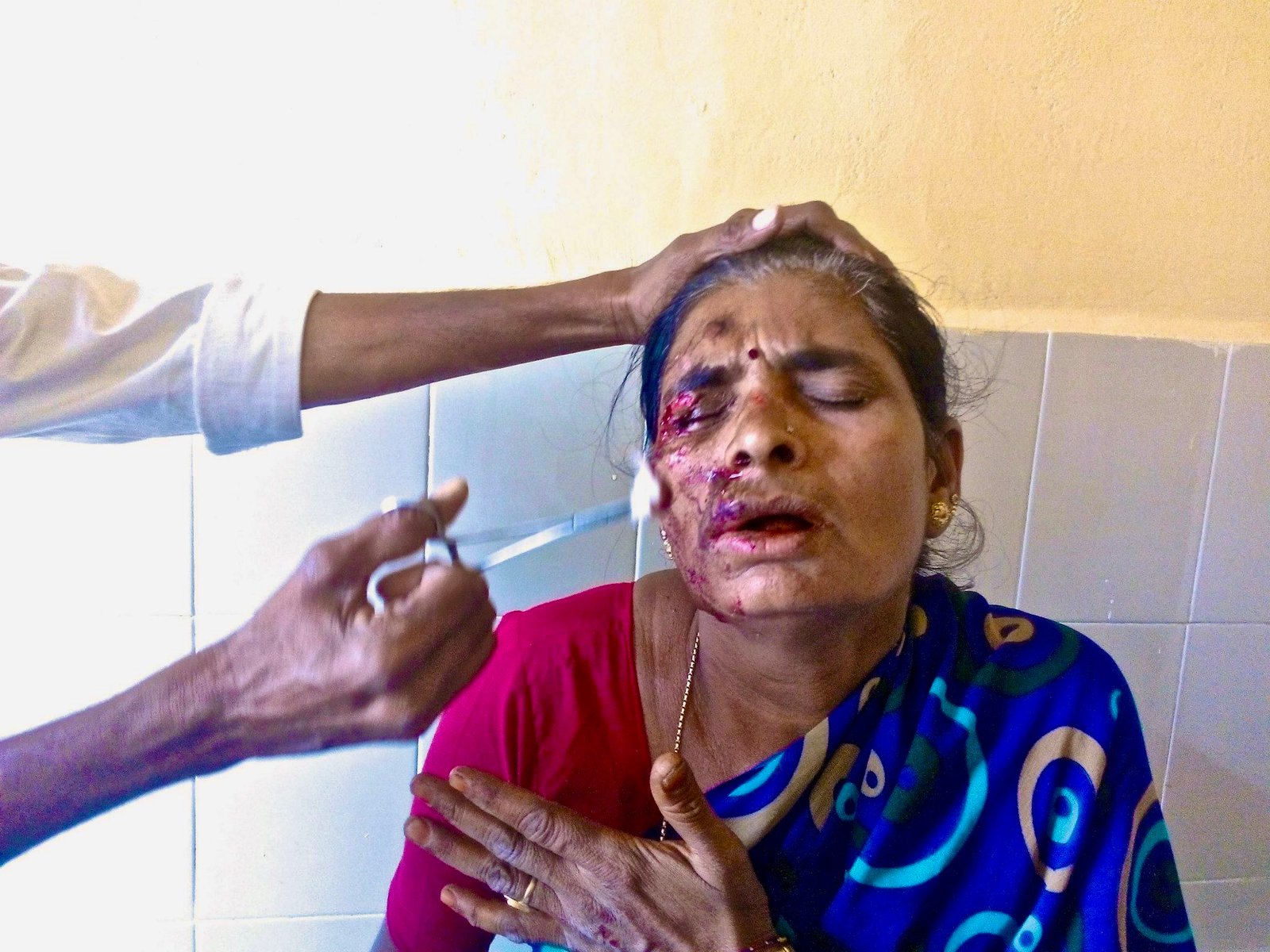
A man arrived at the PHC with his elderly mother and two young children, all injured and bleeding. The mother had severe facial bruises, and one child had a bleeding forehead wound.
The family had heard about the health camp only that morning. The 7-year-old boy, Nitin, had been suffering from fever and cold for several days. With no nearby medical facility, the family travelled 8 kilometers on a two-wheeler to reach the camp. Tragically, on the way, their bike collided with a pig, leading to the accident.
Despite the injuries, their priority was still medical care.
This moment reinforced for us that basic healthcare remains a distant dream for many rural families—and why such camps are not optional, but essential.
Our Team & Shared Belief
At the conclusion of the camp, while thanking the doctors and volunteers, one response stood out:
“We truly believe in GT Foundation’s tagline — ‘It’s our responsibility, not charity.’ We are happy and proud to be part of this service.”
Hearing this reaffirmed our belief that GT Foundation is strengthened by people who share the same values and compassion.
Gratitude
We sincerely thank:
- Dr. Manohar KN, Head of Rural Healthcare – GT Foundation, whose leadership and vision were central to the success of this camp
- Srikanth
- Dr. Sekar
- Dr. Vijay
- Dr. Prem Kumar Bojara
- Dr. Sridhar
- Dr. Pradeep
- Dr. Sreenivas, Resident Doctor, Maskal PHC
Our heartfelt thanks to Napoleon Pereira and his colleagues for their invaluable support and coordination.
Join Us – Be a Part of the Change
GT Foundation has been consistently conducting rural health camps and plans to expand this initiative further. We invite:
- Doctors and medical specialists
- Nurses and physiotherapists
- Healthcare students
- Volunteers passionate about rural service
If you believe that healthcare is a responsibility, not a privilege, we welcome you to join hands with us and make a meaningful difference in underserved communities.
Together, we can bring healthcare closer to those who need it the most.
“We truly believe in GT Foundation’s tagline — ‘It’s our responsibility, not charity.’ We are happy and proud to be part of this service.”
Suresh Kumar GT

All Categories
Recent Posts
Nepal Earthquake Relief Work – 2015
Story of Nagappa & Rudramma Family
Belagavi Flood Relief Initiative – 2019
Get Involved
Our Volunteering Programs
Internship Programs
+91-9916999933
info@gt-foundation.in